
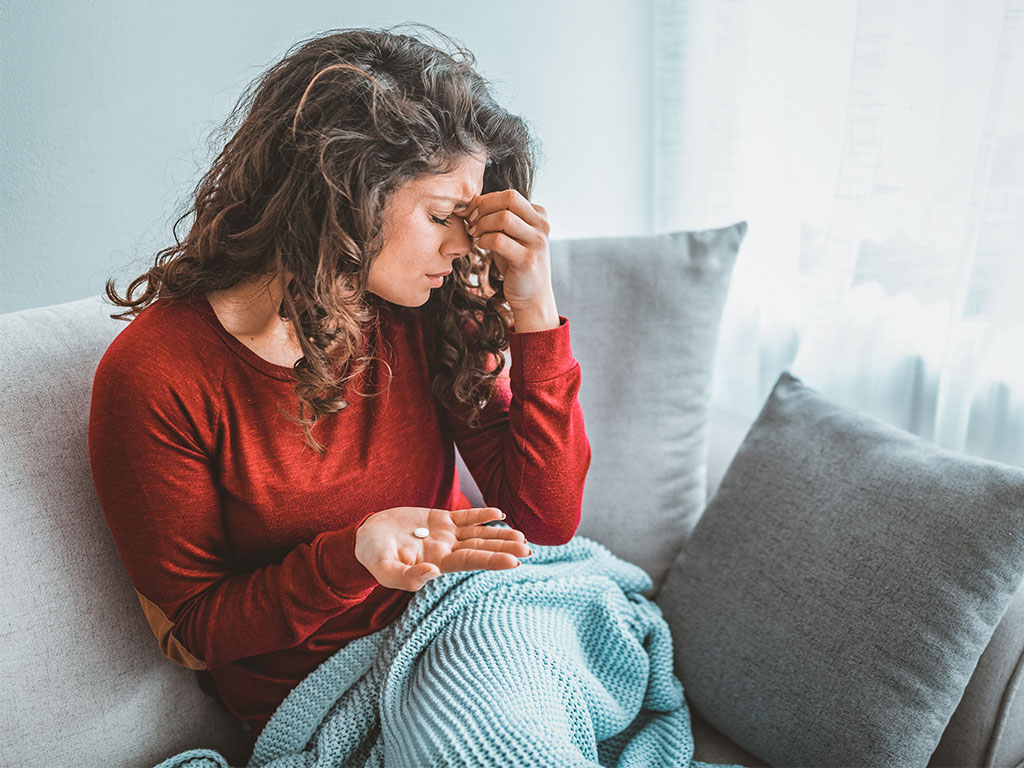
Do you dread your periods with mind-numbing cramps and wicked mood swings that make you feel like you’re not yourself?
Maybe you also deal with embarrassing acne outbreaks or bloating that really affects your social life?
Or maybe you experience headaches, shoulder tension, and back pain as the “oh so annoying” calling card that your period is here?
If any of these symptoms sound familiar, you might be experiencing PMS caused by hormonal imbalances.
So many women suffer from premenstrual syndrome (PMS) – 75% of fertile women experience mild to moderate symptoms of PMS while 3-8% encounter more severe symptoms. Here are some additional symptoms of PMS that you may be experiencing:
While these symptoms are common, you shouldn’t just have to “grin and bear” PMS – and in fact, you don’t have to live with these symptoms!
Many of the symptoms you are experiencing are caused by a number of imbalances that could also be compromising your health in other ways.
Hormonal imbalances that cause PMS can be caused by diet choices, gut dysbiosis or digestive issues, lack of sleep, environmental toxins, stress, and even nutritional imbalances. Unfortunately, these root causes are rarely addressed by your traditional PCP or even your OB-GYN. This is one of the many reasons why there is still confusion around PMS and how to treat it.
When patients present with hormonal imbalances or conditions like PMS, most traditionally-trained clinicians will focus on medications to treat the symptoms.
PMS is typically treated with anti-inflammatory drugs (such as ibuprofen which can harm your gut health) and/or birth control pills. While oral birth control may lessen the symptoms, it can be a real concern for several reasons.
Unfortunately, this can bring on more unwanted side effects (especially for women who are estrogen-dominant) and increase their breast cancer risk.
One of the reasons why many conventional health practitioners are at a loss to treat PMS, is that it’s typically brought on by lifestyle factors & hormone imbalances that they are not trained to treat.

Hormonal imbalances have become one of the major health issues for many women. All too often, women don’t make the connection between hormone imbalances and a long list of life-draining symptoms that include moodiness, anxiety, issues with sleep, and even memory loss or poor focus.
The functional medicine approach is to not only understand the root cause of any imbalance, including something that “seems simple or acceptable” like PMS but also how other systems in your body may be impacted by or connected to the imbalance.
While there is no one hormone involved in triggering PMS, I begin with a comprehensive look at all your hormones using advanced lab testing.
This gives me a clearer picture of where you may need the most support in the areas of nutrition, gut, and hormone imbalances that are typically part of PMS. In cases where hormone imbalances are too extreme which can happen in perimenopause and menopause, bioidentical hormones can be use to naturally restore balance and effectively stop symptoms in their tracks.

As part of my program, I devise a full body-balancing protocol that not only resolves your PMS but also addresses other areas that may be causing havoc with your hormones – including diet, and gut health, lifestyle and stress factors, sleep habits and more. If you have been experiencing symptoms that may be connected with PMS and are looking for answers, schedule a discovery consult today so you can see what your best next steps are.
My aim is to help you balance your body so that your cycles are more predictable and less painful. When I have steady sleep, meals, stress, and key nutrients, many women notice less cramping and bloating, fewer headaches, fewer skin breakouts, and a steadier mood before their period. Cravings often ease, energy feels more even, and work and family life feel easier. If you use medications, I can work alongside them and coordinate with your prescribing clinician so your plan stays safe.
Your safety matters most. Get urgent care if you have severe sudden pelvic pain, very heavy bleeding that soaks through a pad or tampon every hour for several hours, a high fever, fainting, or a new severe headache with vision changes, weakness, or confusion. If you think you might be pregnant, take a test and contact your clinician. I will help you choose simple steps that fit your life and only recommend changes that make sense for your health history.
PMS causes bothersome symptoms before your period. PMDD is a more severe form that strongly affects daily life and mood. Both usually improve once your period starts, but PMDD often needs extra care.
Not always. Many people improve with better sleep routines, regular meals with enough protein and fiber, simple stress tools, and key nutrients like magnesium. I consider labs if cycles are irregular, symptoms are severe, or results would change the plan.
Yes. I can still support sleep, nutrition, stress, and micronutrients to reduce breakthrough symptoms, and I coordinate with your prescribing clinician when needed.
Some people notice changes within one cycle. Bigger, steadier improvements usually build over two to three cycles as habits stick.
No. I focus on balance. Regular meals with protein, fiber-rich carbs, healthy fats, and colorful plants usually help the most.
Yes. Low thyroid function and low iron can add to fatigue, mood symptoms, and cramps. That’s why simple screening is sometimes part of care.
Telehealth is available after your first in-person visit at Pristine Hormones & Weight.
I'll review your goals and history and outline smart first steps. I can go over specific tests, treatments, and services as part of that call.
You may also want to read about Perimenopause, Thyroid Imbalances, PCOS, and Chronic Inflammation to see how these can overlap with PMS and affect how you feel across the month.
Pristine Hormones & Weight is located in Reno, Nevada, and serves patients throughout the Greater Reno Area.